Patch Notes - 01/02/2025
The updates are as follows:
New features and adjustments for all star systems:
The Identity Agreement update is now live. The specific content of the update is as follows:
1) Identity Agreement Name Adjustments: The "Individual Rating" Agreement has been changed to the "Explorer" Agreement, the "Neutral" Agreement has been changed to the "Interlocutor" Agreement, and the name of the "Prospector" Agreement remains unchanged.
2) The Identity Agreement signing interface has been adjusted to a centralized display of the abilities, targets, and rating methods of the corresponding identity, making the information more focused.
3) New Abilities for the "Explorer" (formerly Individual Rating) Agreement

- The "Explorer" now has a new TE technology - "Exploration Ship Relocation" feature. This feature allows the Base to be temporarily retracted into an exploration ship fleet and redeployed at a new location. Retracting the exploration ship will consume a certain amount of Speedup. In the exploration ship status, the Base's Internal Affairs feature and ships belonging to the Base port will be unavailable.
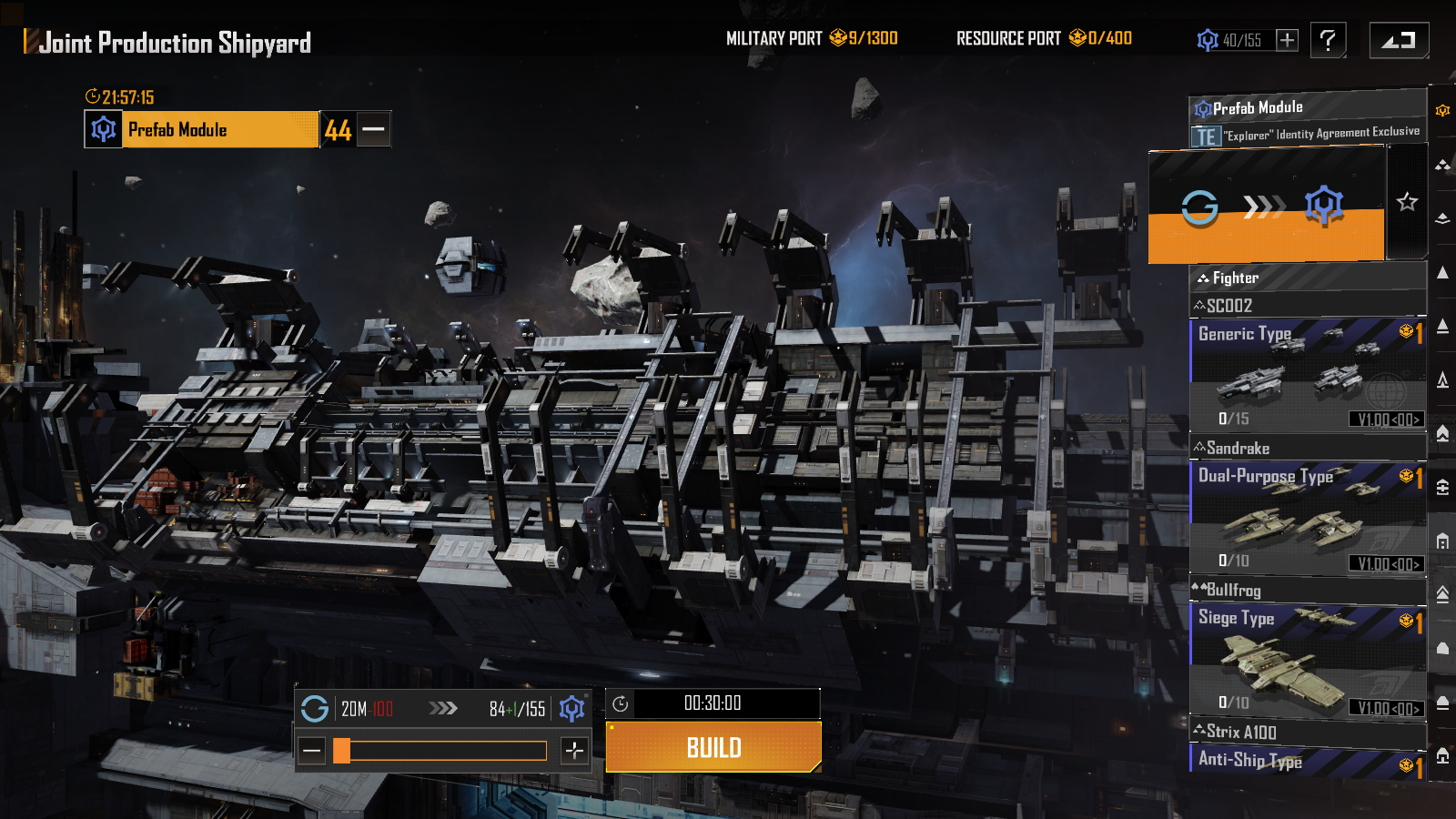
- The "Explorer" now has a new TE facility - "Prefab Module Production Workshop". This facility will be unlocked when the Base is expanded to level 2. Once constructed, it allows the Joint Production Shipyard to spend a certain number of uEcoins to produce Prefab Modules. Upgrading this facility will increase the storage limit of Prefab Modules.
4) New Abilities for the "Prospector" Agreement
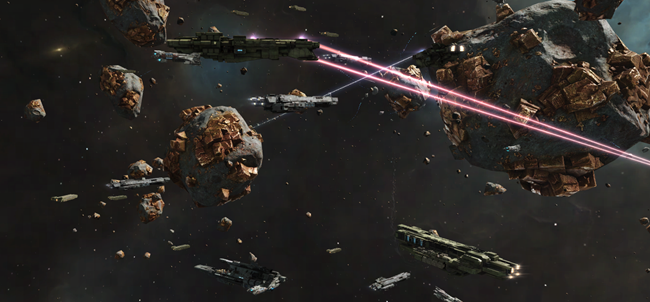
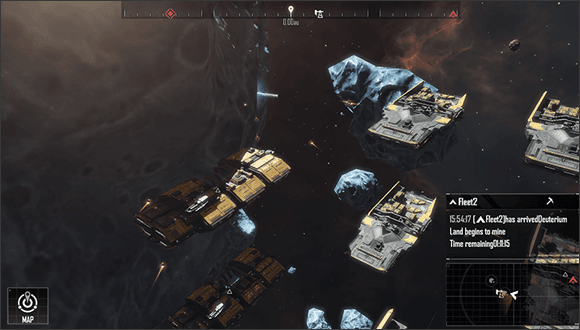
- The "Prospector" now has a new TE technology - "Blast Mining" feature. After mooring at a resource node, the fleet can issue a "Blast Mining" command by spending a certain number of Speedup and uEcoins. The amount mined is calculated based on the siege damage inflicted on the resource node, and the resource node's reserves will be reduced accordingly. The mined resources will be submitted after the fleet returns to the base.
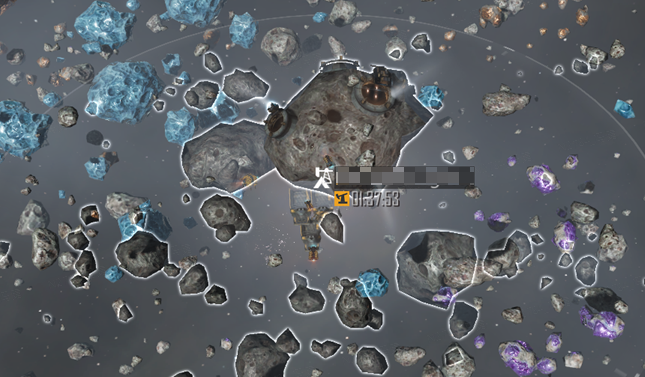
- The "Prospector" has a new TE technology - "Sustainable Mining" feature, allowing the utility ship to issue a "Sustainable Mining" command to depleted resource nodes, with mining efficiency reduced to 75% of the original efficiency.
5) New Abilities for the "Interlocutor" Agreement (formerly Neutral)
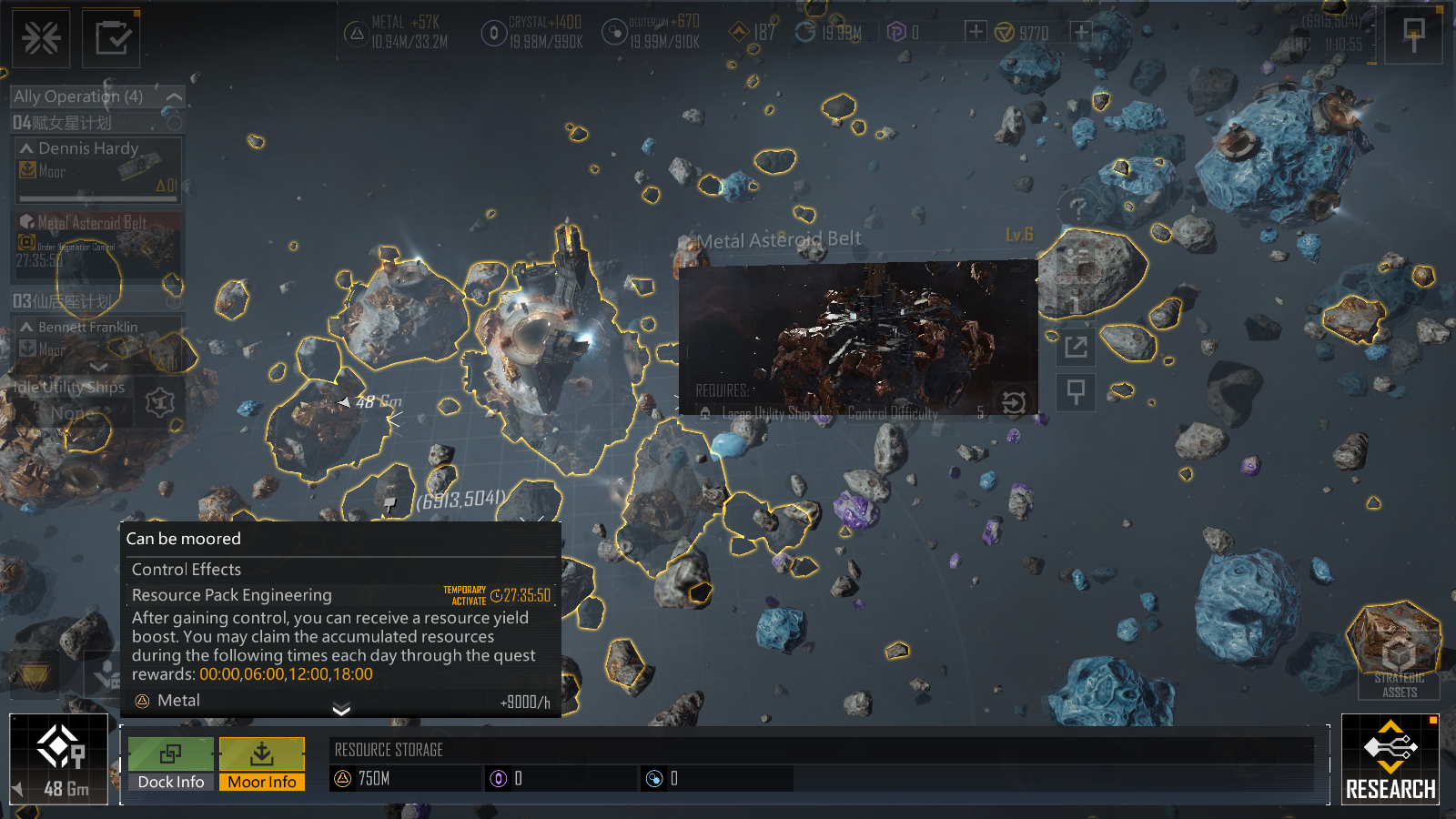
- The "Interlocutor" has a new TE technology - "Negotiate Control" feature. After mooring to cordial or neutral map objects, the fleet can issue a "Negotiate Control" command by spending a certain number of Speedup and uEcoins to temporarily gain control effects and services of the objects.
"Interlocutor" TE Facility - "Encrypted Communication Contact Center" new facility effect: Increases the maximum number of fleet operations by 2.
"Interlocutor" Cooperation Points consumption rules adjustment: After the adjustment, Cooperation Points can be directly used in facilities of different factions.
6) Added new Identity Agreement-exclusive equipment, which will be automatically issued to all Explorers who have signed the corresponding Identity Agreement. The specific equipment effects are as follows:
"Explorer" Agreement Exclusive Equipment: The specific effects of the "Shuttle" - Explorer Core Parts are as follows:
Main Effect: Increases the efficiency of Prefab Modules production with the Joint Production Shipyard by 25.0%.
Bonus Effect 1: Reduces the Base retraction time by 50.0%.
Bonus Effect 2: Reduces the Base expansion time by 20.0%.
Bonus Effect 3: Reduces the Speedup cost for Base retraction by 10.
Special Effect: When you visit Community members, the visited member will randomly receive 1-100 Prefab Modules, up to 10 times per day (the special effect is unlocked after all bonus effects are upgraded to the highest level).
- "Prospector" Agreement Exclusive Equipment: The specific effects of the "Voyage" - Prospector Core Parts are as follows:
Main Effect: Increases the prospecting efficiency of prospection nodes by 20.0%.
Bonus Effect 1: Increases the prospected reserve by an additional 35.0% when prospecting depleted resource nodes.
Bonus Effect 2: Increases the mining efficiency by an additional 10.0% when mining depleted resource nodes.
Bonus Effect 3: Reduces the Speedup cost for blast mining by 10.
Special Effect: Prospection data spawns at the original location after non-planetary prospection is completed. Subsequent prospectors can obtain 1-5 prospection node data from the same location (the special effect is unlocked after all bonus effects are upgraded to the highest level).
"Interlocutor" Agreement Exclusive Equipment: The specific effects of the "Friendship" - Interlocutor Core Parts are as follows:
Main Effect: Increases the duration of Negotiation Control by 50.0%.
Bonus Effect 1: Increases the number of liaison outposts by an additional 5.
Bonus Effect 2: Reduces the Interlocutor Points required for executing Assist in Attacks by 10.
Bonus Effect 3: Reduces the speedup cost for executing Negotiation Control by 10.
Special Effect: Unlocks the Assist Guard command, which allows Interlocutors to transfer an outpost fleet in the encrypted communication to guard the ally's building facilities. This command requires at least a Lv.4 Encrypted Communication Center and at least a Lv.5 Outpost in the communication (the special effect is unlocked after all bonus effects are upgraded to the highest level).
- All Exclusive Equipment for Identity Agreements can only gain Tech Points through "Technical EXP accumulation" and cannot use the "Strategic Asset Component Upgrade" feature.
- When an Identity Agreement is being rated, additional Technical EXP for the corresponding Exclusive Equipment will be awarded based on the evaluation results.
All Identity Agreement-related content will be updated after the maintenance. All players who have signed Identity Agreements will simultaneously receive corresponding new abilities and exclusive equipment (exclusive equipment will not be available in the Beginner Star System).
Gameplay optimization for Cross-system Expedition:
1) Explorers may gain Military Prestige from cross-system battles.
2) Ships in a cross-system fleet will no longer be destroyed when getting lost due to having no Sub-bases.
3) Optimized the Evasion Mode Mails when there are no Sub-bases in cross-system scenarios.
4) Added a cross-system connection mission entry in the Tactical View of the Stargate Station.
5) Optimized the rapid formation feature when there are not enough Auxiliary Ships in cross-system scenarios.
6) Added destination display on the console for fleets rallying for Cross-System Expeditions.
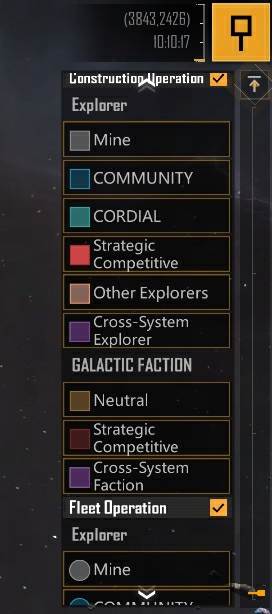
7) In star systems where the Cluster Sailing Supplemental Agreement can be signed, added filters for cross-system Explorers and cross-system factions to the Expanse's Fleet Operation and Construction Operation.
Feature optimization for Guild's Dockyard:
1) Upon allocation, ships will be temporarily stored in the Dockyard for the receivers to claim.
2) Allocated ships can be returned and retrieved in batches.
3) After the Dockyard is destroyed, the allocated ships can return to the Explorers where they came from.
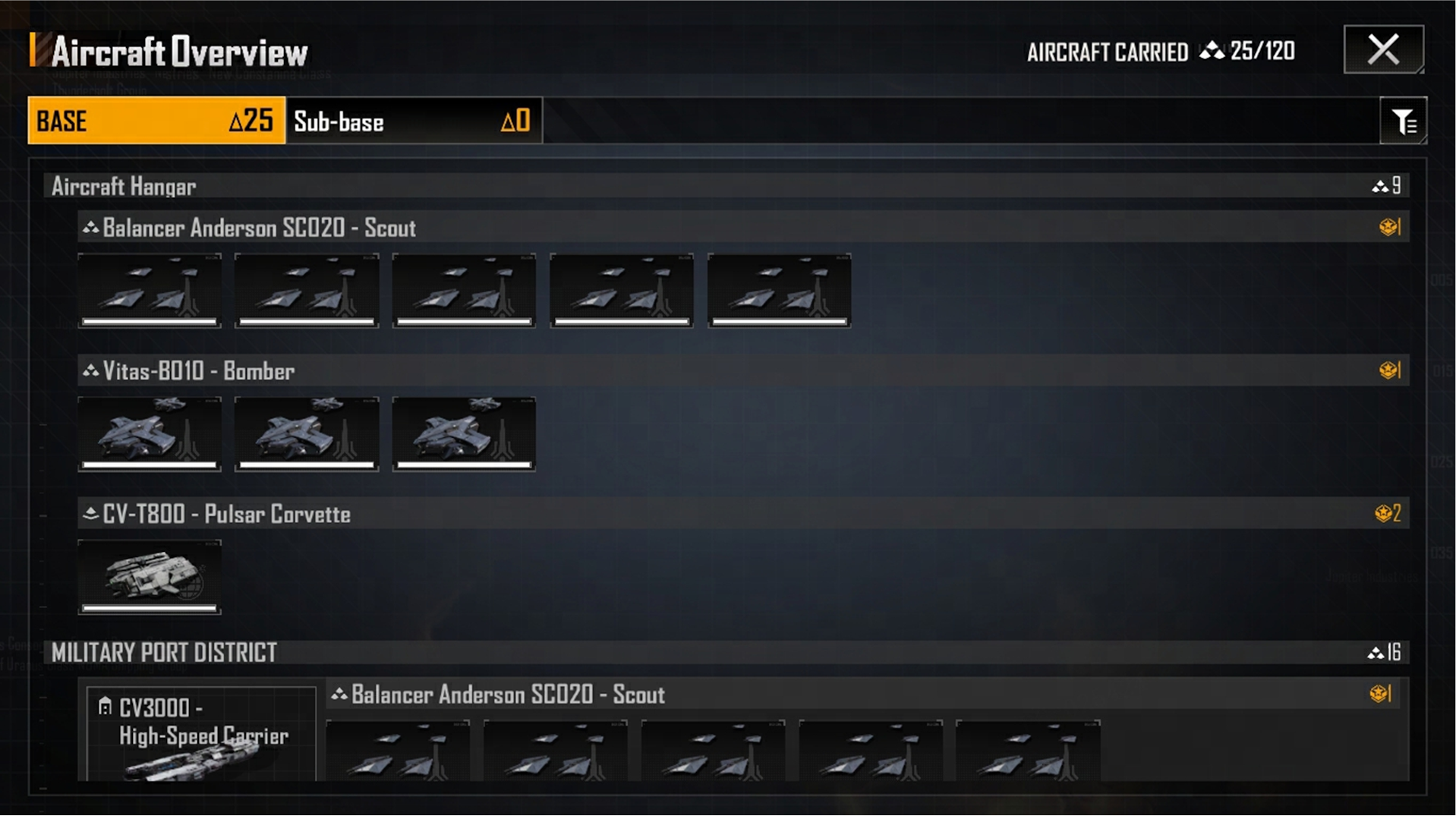
The previous Aircraft Hangar interface has been changed to an Aircraft Overview List, allowing Explorers to view the allocation of all produced aircraft.
Gameplay optimization for Eco-Processing:
1) Explorers can view Eco Items on the Strategic Assets - Items page.
2) The Eco-Substance Processor will save previous processing records for reference in subsequent processing.
3) The shelf life of processed A-grade and B-grade products has been adjusted from 7 days to 15 days.
When a fleet is deployed to a Sub-base, it can automatically reach the target Sub-base through consecutive warp drives when the maximum sailing range is exceeded.
When the fleet is not in combat, its name can be changed anytime, anywhere.
Optimized the camera display effects for liveries and premium liveries in the livery system and event system: Panoramic camera preview for liveries and premium liveries is now supported.
Added the display of the fleet carrying Prefab Modules in the resource management interface of the Base.
Added descriptions for various allocation missions in the Utility Ship Smart Management interface.
A Sparkle reminder has been added when the blueprint in active service can be adjusted.
Optimized the display effect of the Tactical Items casting Mobile Festival Fireworks.
Optimized the rules for automatically selecting weapon tech during adjustment. Weapon tech that exactly meets the rarity conditions will be selected.
When Explorers accept and complete a liaison mission, the mission will be automatically completed if a fleet is already liaising with the target Space Station.
New features and adjustments for some star systems:
The Stargate in the Star System Rescue Agreement star system can now be a garrison target, allowing Explorers to jointly fend off Captors' attacks.
In the Angulum Cluster, the Ship Overview interface will display wreckage formed by ships performing Emergency Evasion after battles.