Strategic Gameplay Update Preview
Dear Explorers, Greetings!
We‘ve been striving to craft a Lagrange Network that is rich in strategy, and meanwhile, we hope to deliver a more convenient exploration experience to all Explorers. To this end, we plan to commence a series of strategic gameplay updates very soon, which include three following aspects: Org Command, Personal Combat, and Personal Development.
Org Command Updates
Categorizing Org Operations and adding new features to improve the coordination capability within an Org.
As the shared strategic zone within an Org, Org Operation makes significant impacts on collective actions and coordinated commands. By making adjustments, we hope to further diversify the Org Operations and provide more strategic options for Explorers.
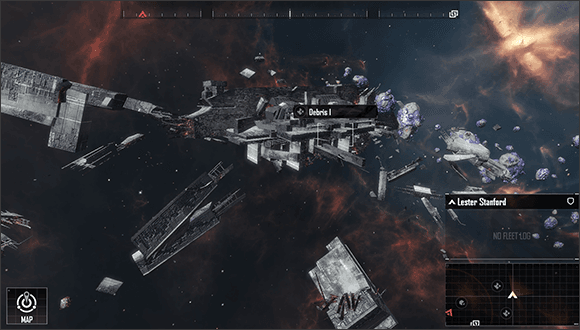
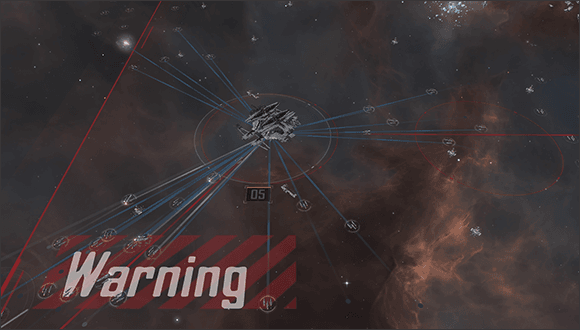
After the update, Org Operations will be put into two categories: Rally Operations and Command Operations. When a Rally Operation consists of a certain number of fleets from the Org, it can provide the warp coordinates to the entire Org, allowing Org members' fleets to travel to the Org Operation with warp drive. On the other side, a Command Operation allows Org members to delegate their fleets to the operation, enabling the commander to issue commands on the delegated fleets and transfer them to other Personal or Org Operations.
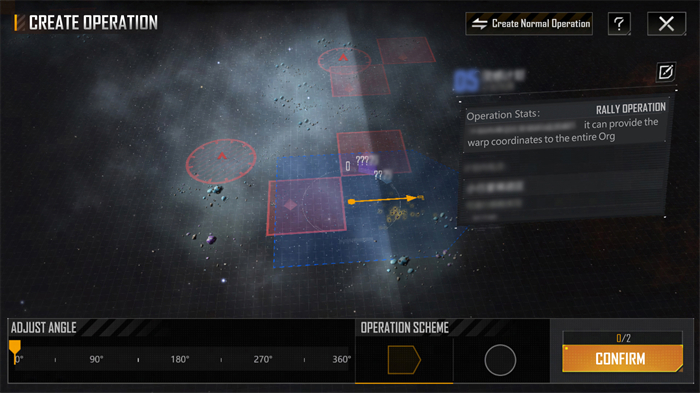
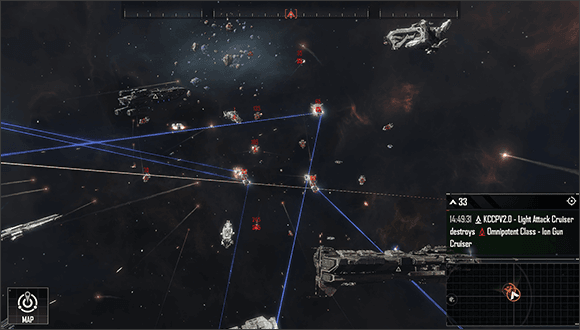
Org Operation (Images are for display purposes only and do not represent the final quality of the game.)
Since the Org Operation plays an even more important role in making the strategic decision after the update, we hope every Explorer will proceed with more caution when making Org Operation-related decisions. The time interval between the cancellations of Org Operations will be increased, now requiring 12 hours to be completely removed.
Personal Combat Updates
Adding a sub-fleet feature and expanding the number of owned fleets
We've been striving to craft a diversified strategic experience for Explorers, especially during the course of contending star systems in the mid and late stages of the exploration, where we hope to provide Explorers with more strategic options.
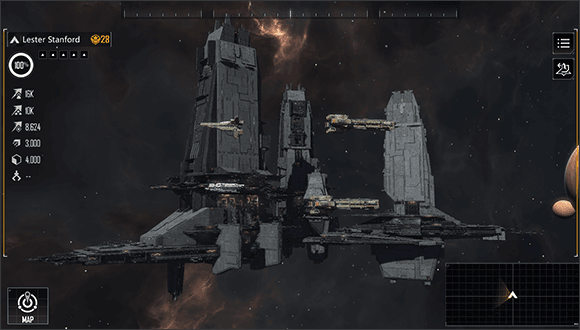
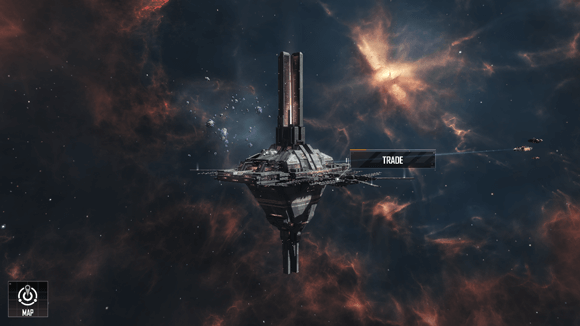
In the upcoming update, we will add a sub-fleet feature. Explorers can upgrade the Sub-Fleet Command Center to deploy fleets in the building and make them sub-fleets.
The ships under the sub-fleets will no longer take up the base's max Command Points and hangar capacity. Instead, the building they've been deployed to will become their home port, and tasks will be carried out from there. When sub-fleets retreat, they will return to the building as well. When the building is under attack, sub-fleets docked at the building, if there are any, will launch a counterstrike.
The ships in a sub-fleet will be treated as an integral whole and cannot be split. Sending reinforcement to or retreating ships from sub-fleets requires a special command and consumes Action Points.
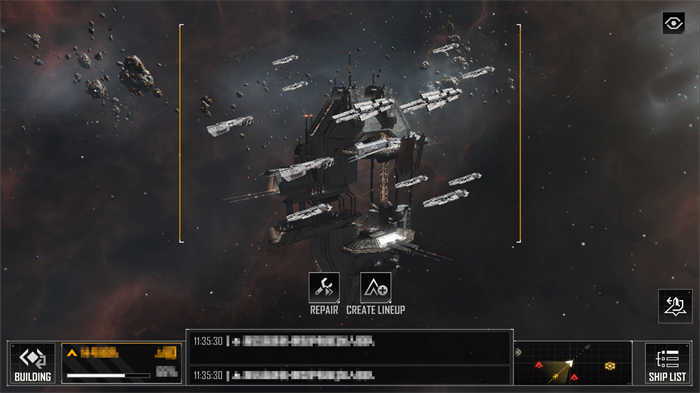
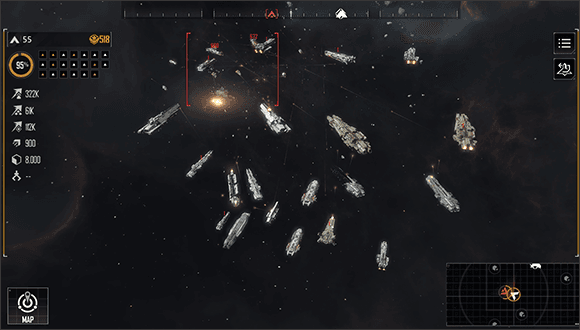
Sub-fleets docked at the Outpost (Images are for display purposes only and do not represent the final quality of the game.)
Adding Consecutive Warp Drive feature
In the Lagrange Network, even though distance restrictions exist for a single time warp drive, using multiple warp coordinates whose mutual distances are within the limit to commence consecutive warp drives is absolutely possible in practice.
To simplify the fleet commands, we will open up the "Consecutive Warp Drive" feature, allowing fleets to confirm their warp staging points in advance when traveling to a distant location, and to consume all required Action Points at once to reach the target location.
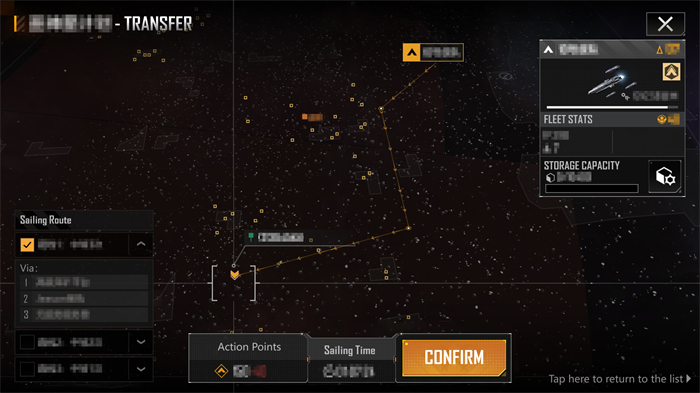
Consecutive Warp Drive (Images are for display purposes only and do not represent the final quality of the game.)
Personal Development Updates
Lifting restrictions on resource node mining scale and adding a Utility Ship Management feature
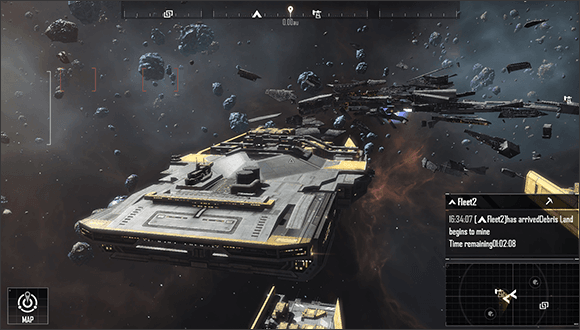
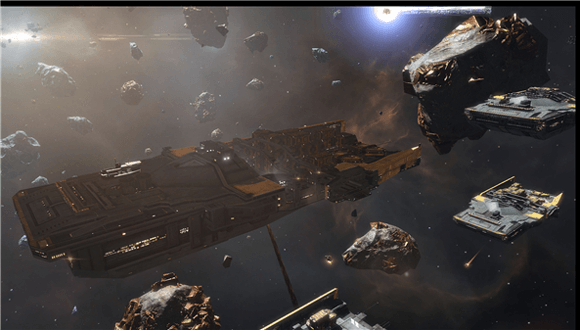
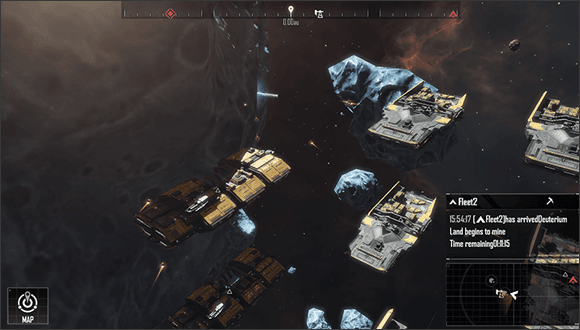
Resources play a vital role in the Lagrangian industry system. Therefore, resource mining is one of the crucial elements of exploration and development. As for now, Explorers need to maintain and manage a large number of mining routes due to restrictions on resource node mining scale. We expect that Explorers can allocate and manage their mining routes more freely. Hence, we will lift the restrictions on the mining scale, allowing any number of utility ships to be enrolled into the same fleet and carry out the mining task altogether when mining resource nodes.
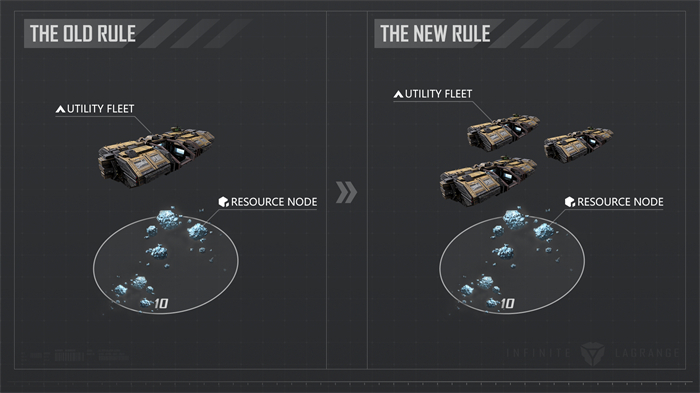
Mining Scale Rules Update Illustration
To Explorers, having a fleet with multiple utility ships mining simultaneously can significantly reduce their workload in route management, but switching mining targets will become more tedious. To achieve this, we are going to add a Utility Ship Management feature to provide Explorers with more convenience.
Adding a Production Queue feature and optimizing the ship production experience
Explorer's fleet consists of various types of ships, so the shipyard often needs to switch among production targets. To improve Explorer's ship production experience, we plan to add a Production Queue feature.
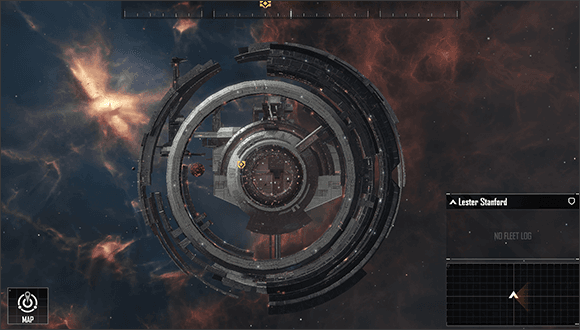
When the base shipyard is producing ships, the type of a certain ship can be preselected and put into the production queue. For the ships added to the queue, their building resources will not be deducted in advance. After the current production is done, the shipyard will start producing the ships in the queue immediately.
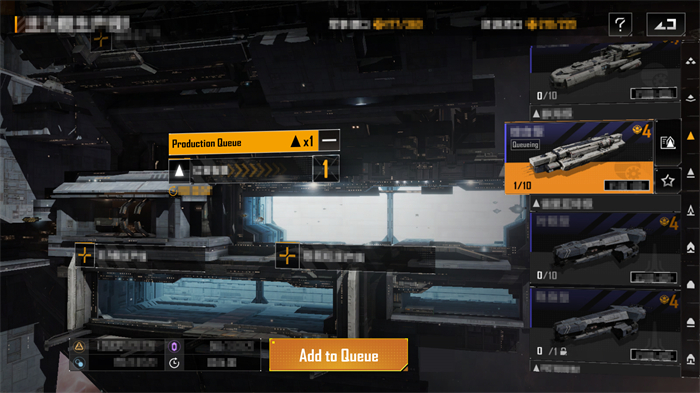
Shipyard Production Queue (Images are for display purposes only and do not represent the final quality of the game.)
That's all for today's strategic gameplay update preview. We have been striving to construct a realistic yet interesting Lagrange Network, providing Explorers with more strategic options. Relevant updates will be released gradually, starting June 7. Please stay tuned.