Angulum-Landung-Gameplay-Vorschau (Teil 3)
In der vorherigen Vorschau haben wir das Gameplay auf der Planetenoberfläche und den Orbitalangriffsmechanismus vorgestellt. In dieser Vorschau werden wir den Mechanismus der Team-Belohnungen, die neue Iteration des Eskorte-Mechanismus und die Industrieausrüstung und Blaupausen des Sacrum-Chu-Imperiums vorstellen, die auf der Oberfläche erlangt werden können.
Team-Belohnungsmechanismus
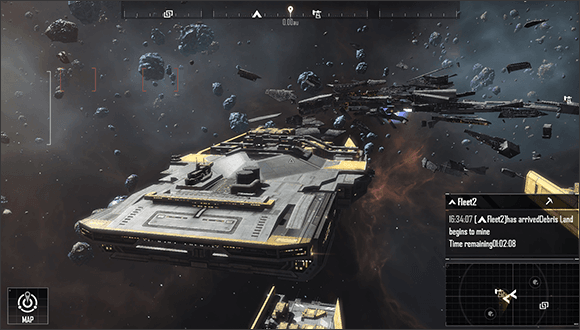
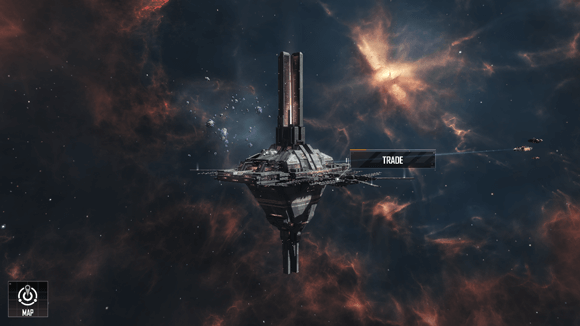
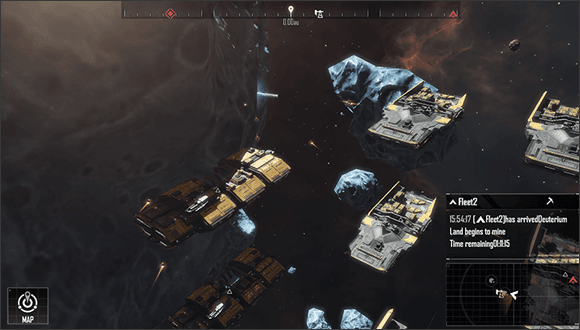
Während der Erkundung der Planetenoberfläche können spezielle Trupp-Belohnungen erlangt werden. Wenn die Flotte mit den Trupp-Belohnungen ins NOMA-Lager zurückkehrt, erhalten alle Truppmitglieder die gleiche entsprechende Belohnung. Wir hoffen, durch diese Methode die Kooperation und Arbeitsteilung unter den Truppmitgliedern zu fördern.
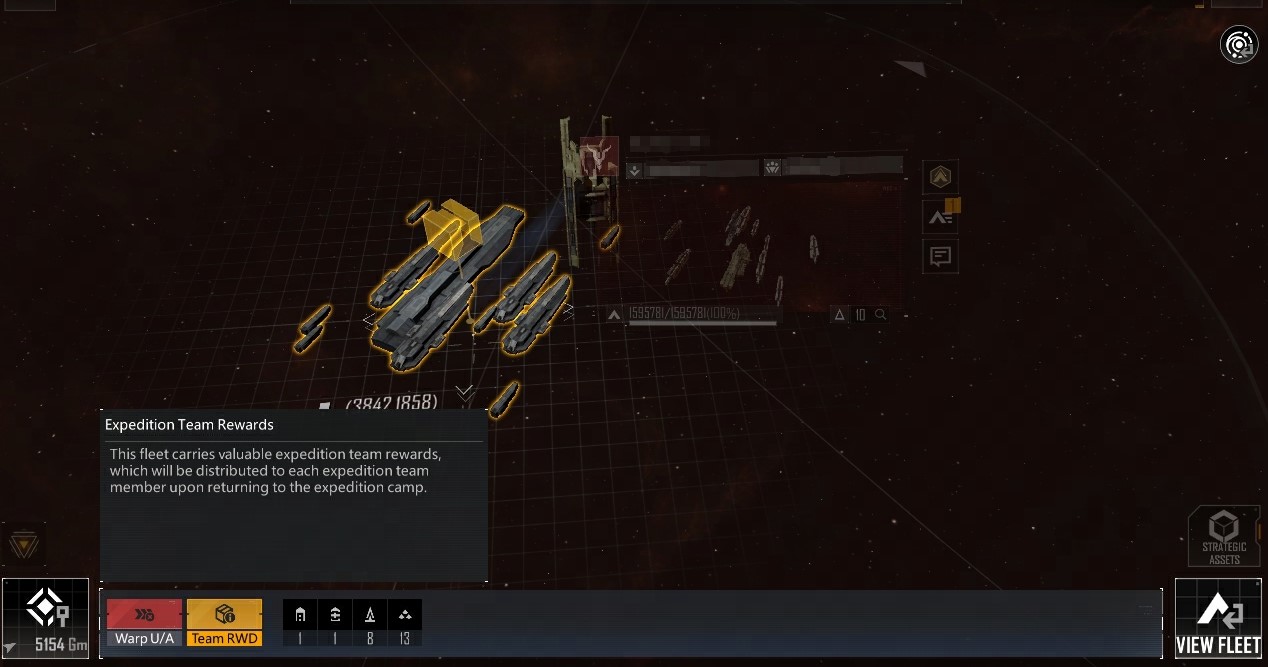 (Dieses Bild dient nur zur Illustration und stellt nicht die endgültige Qualität dar)
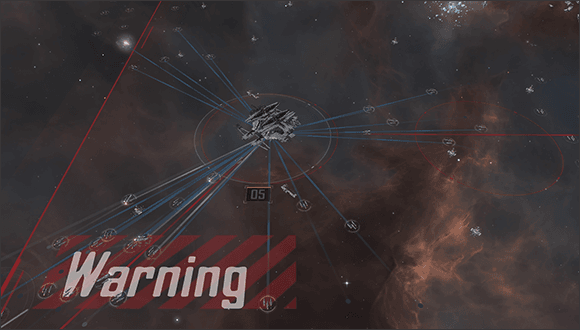
Neue Iteration des Eskorte-Mechanismus
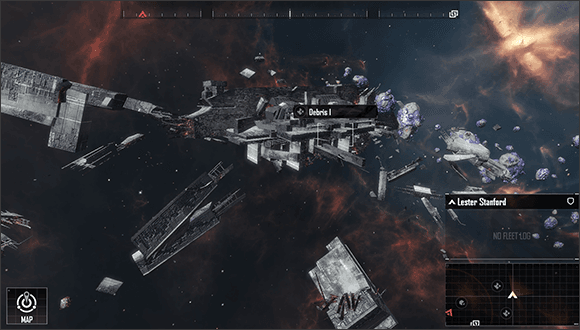
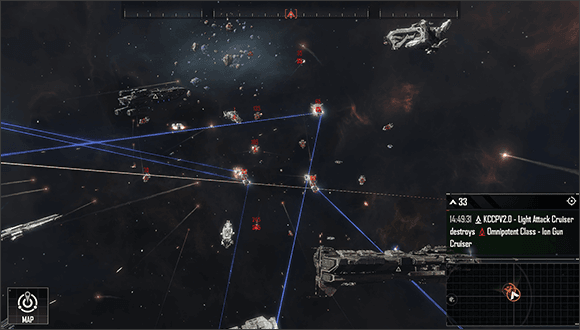
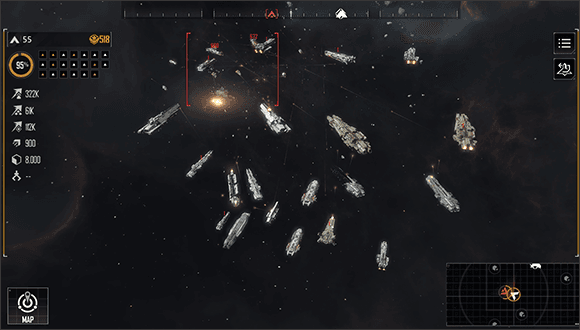
Wir werden eine neue Iteration des Eskorte-Mechanismus im gesamten Sternensystem einführen. Nach der Eskorte wird die angreifende Flotte zuerst auf die Eskorteflotte treffen. Eine Flotte kann von mehreren verbündeten und befreundeten Flotten eskortiert werden, und der Eskortebefehl wird im Operationsgebiet wirksam sein. Wir hoffen, dass diese Iteration des Befehls den Entdeckern besser helfen kann, eine bestimmte Zielflotte zu schützen.
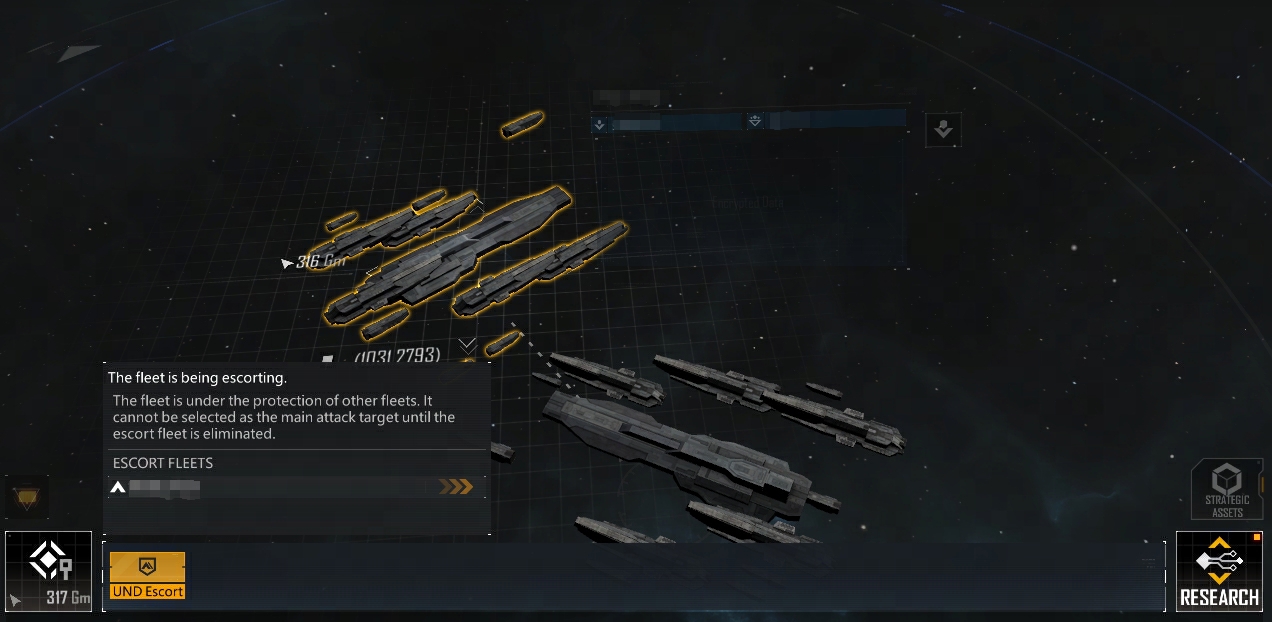 (Dieses Bild dient nur zur Illustration und stellt nicht die endgültige Qualität dar)
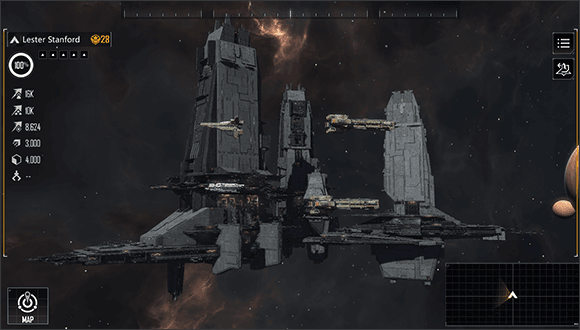
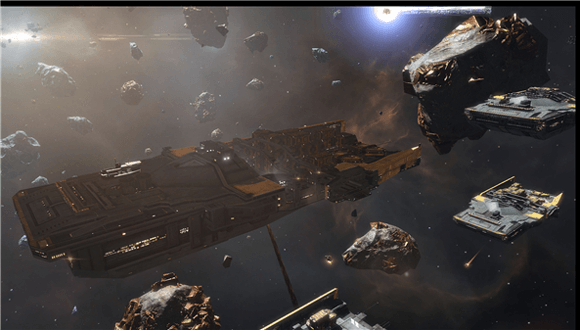
Laut den Hintergrundinformationen der NOMA-Schifffahrtsgruppe gibt es bei der Oberflächenexploration die Möglichkeit, die folgenden industriellen und militärischen Technologien des Sacrum-Chu-Imperiums zu entdecken:
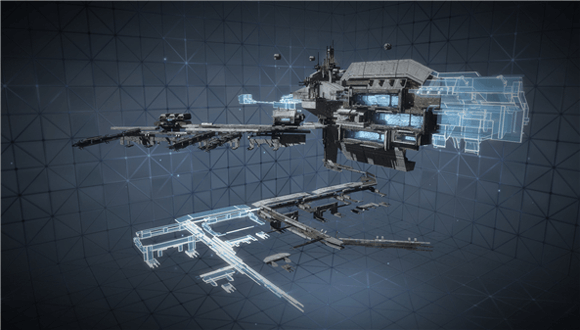
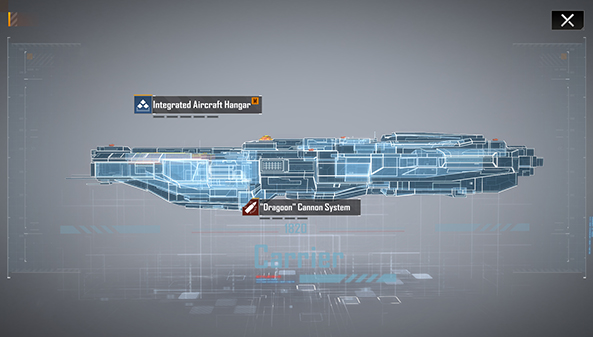
Vorhut – Verbund-Sturmschiff
Ein Landungszerstörer, ausgestattet mit dualen Hangars, die duale Jäger für den Landungskampf tragen können.
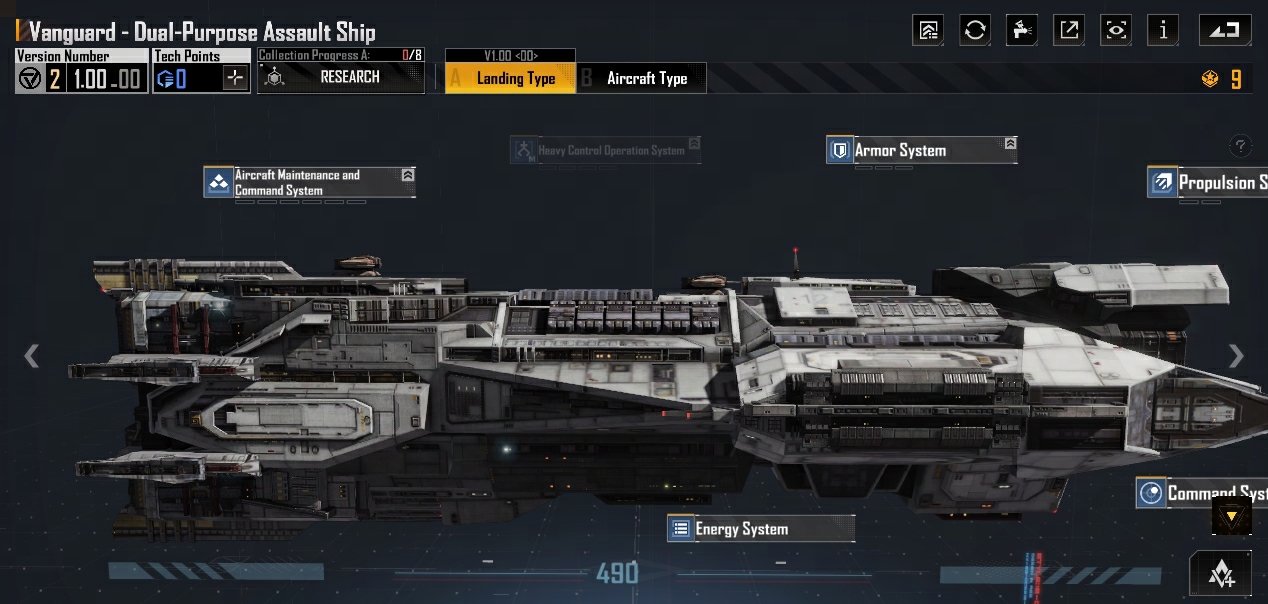 (Dieses Bild dient nur zur Illustration und stellt nicht die endgültige Qualität dar)
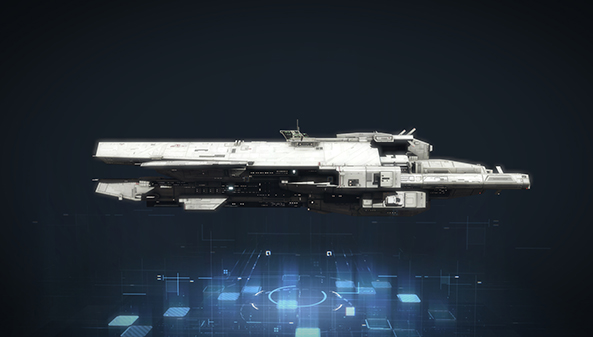
Vorhut – Luftfahrzeugzerstörer
Ein Luftfahrzeug-Zerstörer, ausgestattet mit einem schweren Hangar und kooperativen Kampfdrohnen. Während die Fähigkeit zur Landung auf der Oberfläche entfernt wurde, ermöglicht seine Drohnenkooperation, mittlere und hintere Ziele im Orbitalkampf anzugreifen.
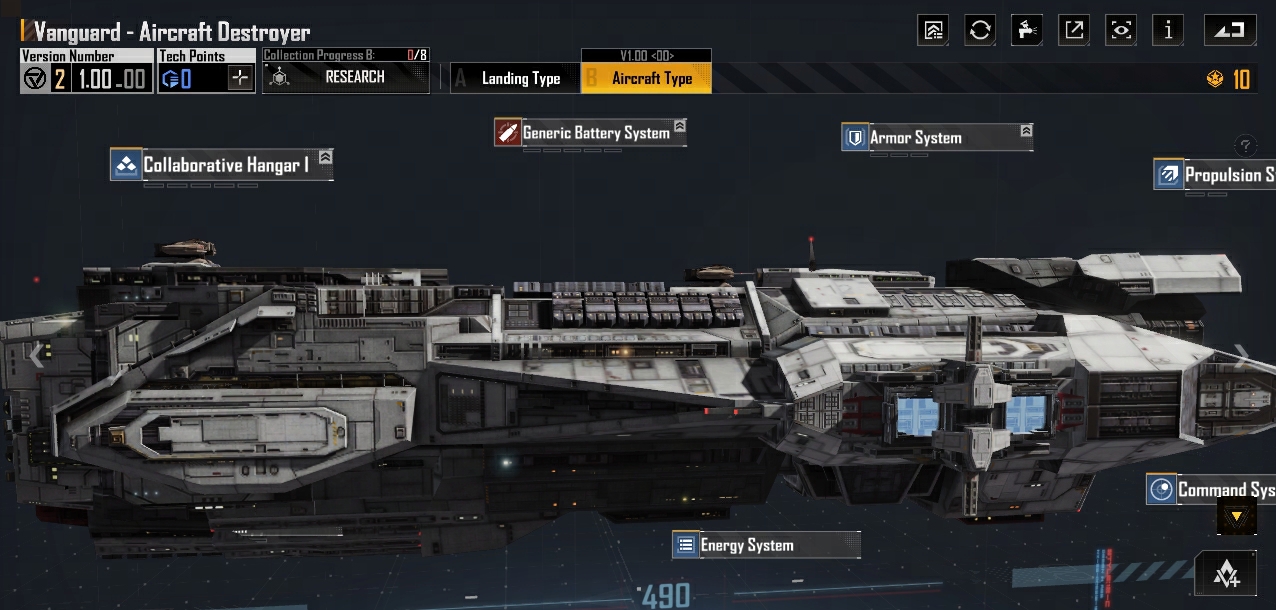 (Dieses Bild dient nur zur Illustration und stellt nicht die endgültige Qualität dar)
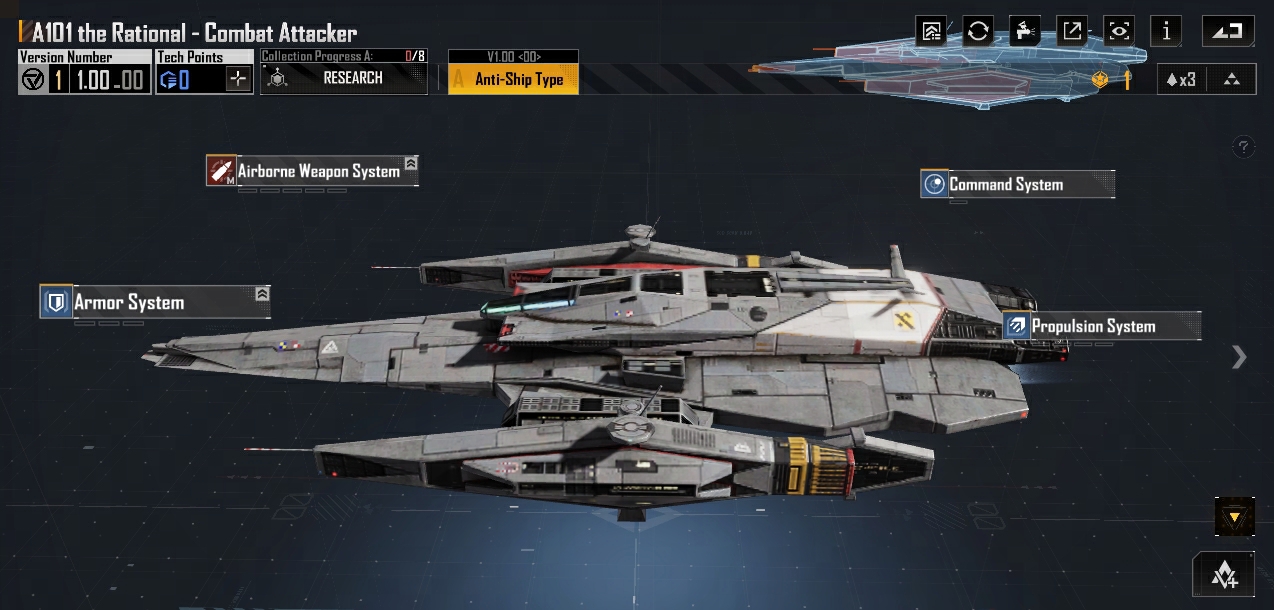
A101 der Vernünftige – Kampfangreifer
Ein Mehrzweckjäger, ausgestattet mit einer schweren Batterie, fähig, das primäre Waffensystem des Ziels anzugreifen und Flugabwehrfähigkeiten zu kontern.
 (Dieses Bild dient nur zur Illustration und stellt nicht die endgültige Qualität dar)
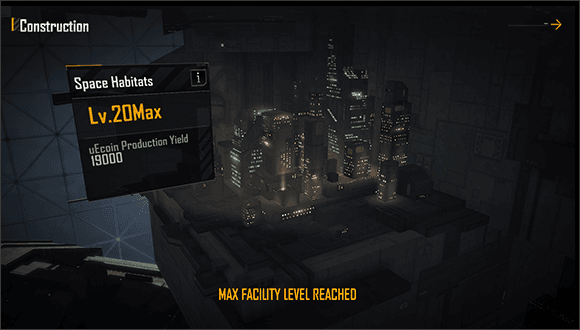
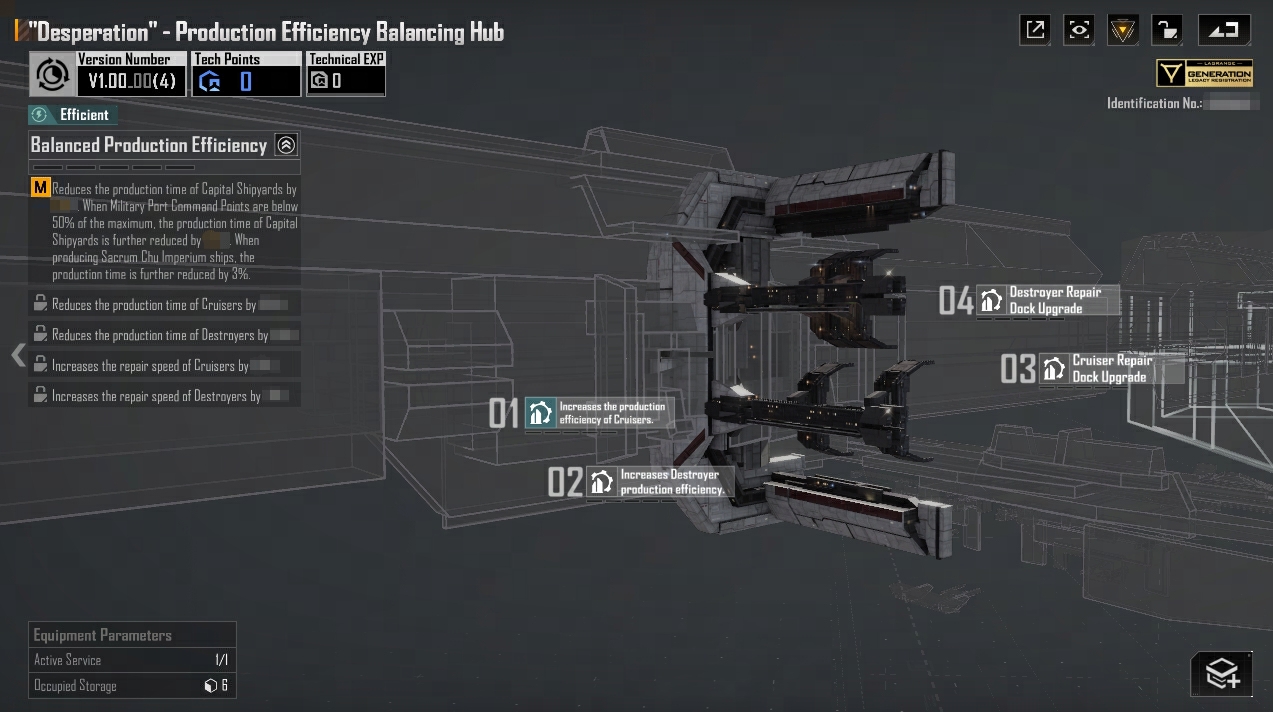
Produktions-Effizienz-Balancierungs-Hub des Sacrum-Chu-Imperiums
Erreiche eine effiziente Nutzung der Produktionsressourcen und ein Energieeffizienz-Gleichgewicht durch intelligentes Management und optimierte Planung.
 (Dieses Bild dient nur zur Illustration und stellt nicht die endgültige Qualität dar)
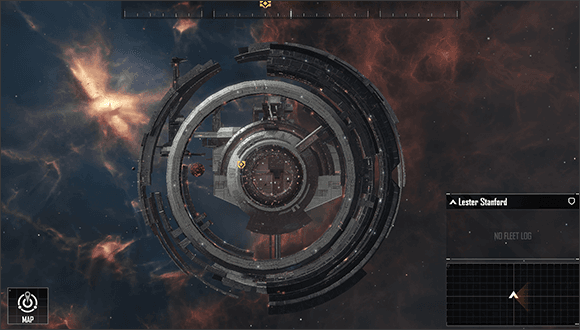
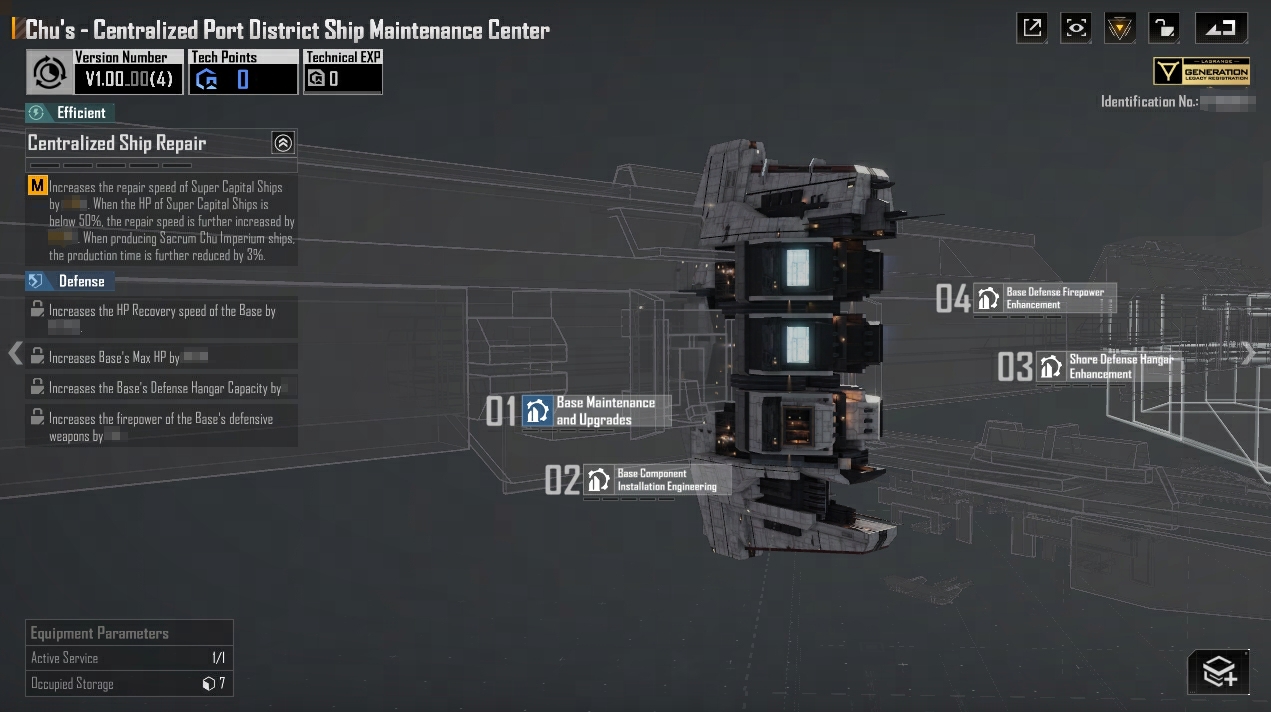
Zentralisiertes Hafenbezirk-Schiffswartungszentrum des Sacrum-Chu-Imperiums
Eine repräsentative Anlage des industriellen Stils des Sacrum-Chu-Imperiums, diese effiziente umfassende Reparaturanlage wurde eingerichtet, um die Einsatzbereitschaft der Flotte schnell zu verbessern und sicherzustellen, dass die Flotte in kurzer Zeit ein gewisses Maß an Kampffähigkeit wiederherstellt.
 (Dieses Bild dient nur zur Illustration und stellt nicht die endgültige Qualität dar)
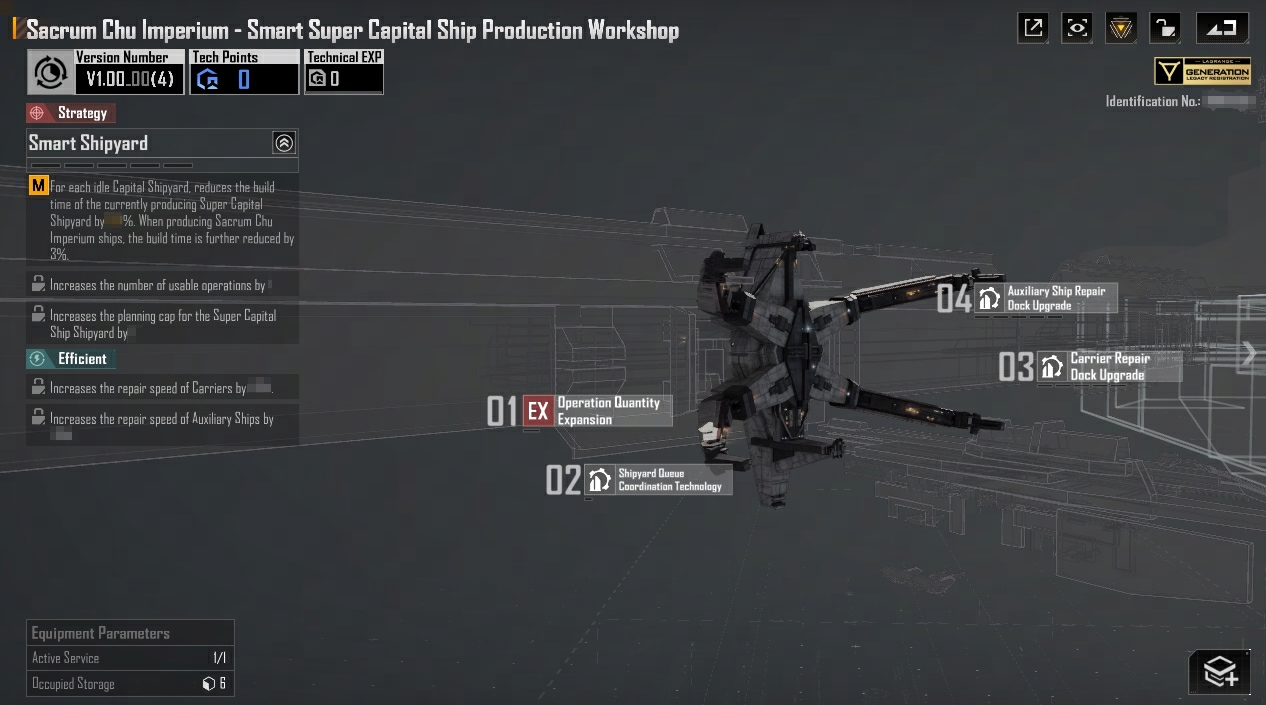
Intelligente Super-Großkampfschiff-Produktionswerkstatt des Sacrum-Chu-Imperiums
Diese Werkstatt ist mit den fortschrittlichsten automatisierten Produktionsanlagen und intelligenten Managementsystemen ausgestattet, was die Produktionseffizienz von Super-Großkampfschiffen erheblich steigert.
 (Dieses Bild dient nur zur Illustration und stellt nicht die endgültige Qualität dar)
Das ist alles für die Angulum-Landung-Gameplay-Vorschau.