Prévia do Projeto de Transformação do Planeta Jardim

2024-06-07

Por eras, a humanidade sonhou em terraformar o Planeta Jardim, remodelando-o em um abrigo que permita à humanidade retornar à superfície mais uma vez. Na superfície do Planeta Jardim, a humanidade pode redescobrir uma nova e racional forma de viver. Esta visão tem sido há muito tempo um sinalizador de esperança, inspirando incontáveis gerações a ultrapassar os limites da ciência e exploração. 


Agora, estamos um passo mais perto do sonho através do Projeto de Transformação do Planeta Jardim. O Departamento de Terraformação do Planeta Jardim do Consórcio Antonios estende sinceramente um convite aos Exploradores de toda a galáxia: vamos nos unir para tornar essa visão uma realidade por meio de nossos esforços e ações coordenadas.


Visão Geral do Projeto de Transformação do Planeta Jardim.


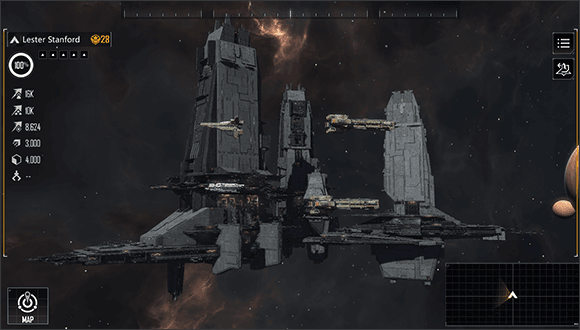
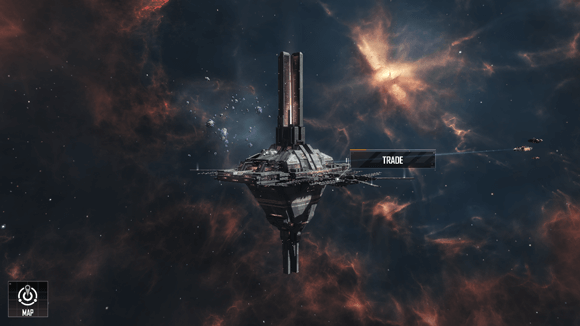
O Projeto de Terraformação do Planeta Jardim é uma vasta empreitada que se estenderá por pelo menos dez fases ao longo de sua duração. A primeira fase é a construção dos Elevadores Espaciais: Construindo três Elevadores Espaciais na órbita síncrona do Planeta Jardim para permitir pousos sem impedimentos. As fases subsequentes devem envolver a construção de amplificadores gigantes de campo magnético, os arranjos de controle de clima e iluminação chamados "Domo", e geradores de aquecimento do núcleo planetário.
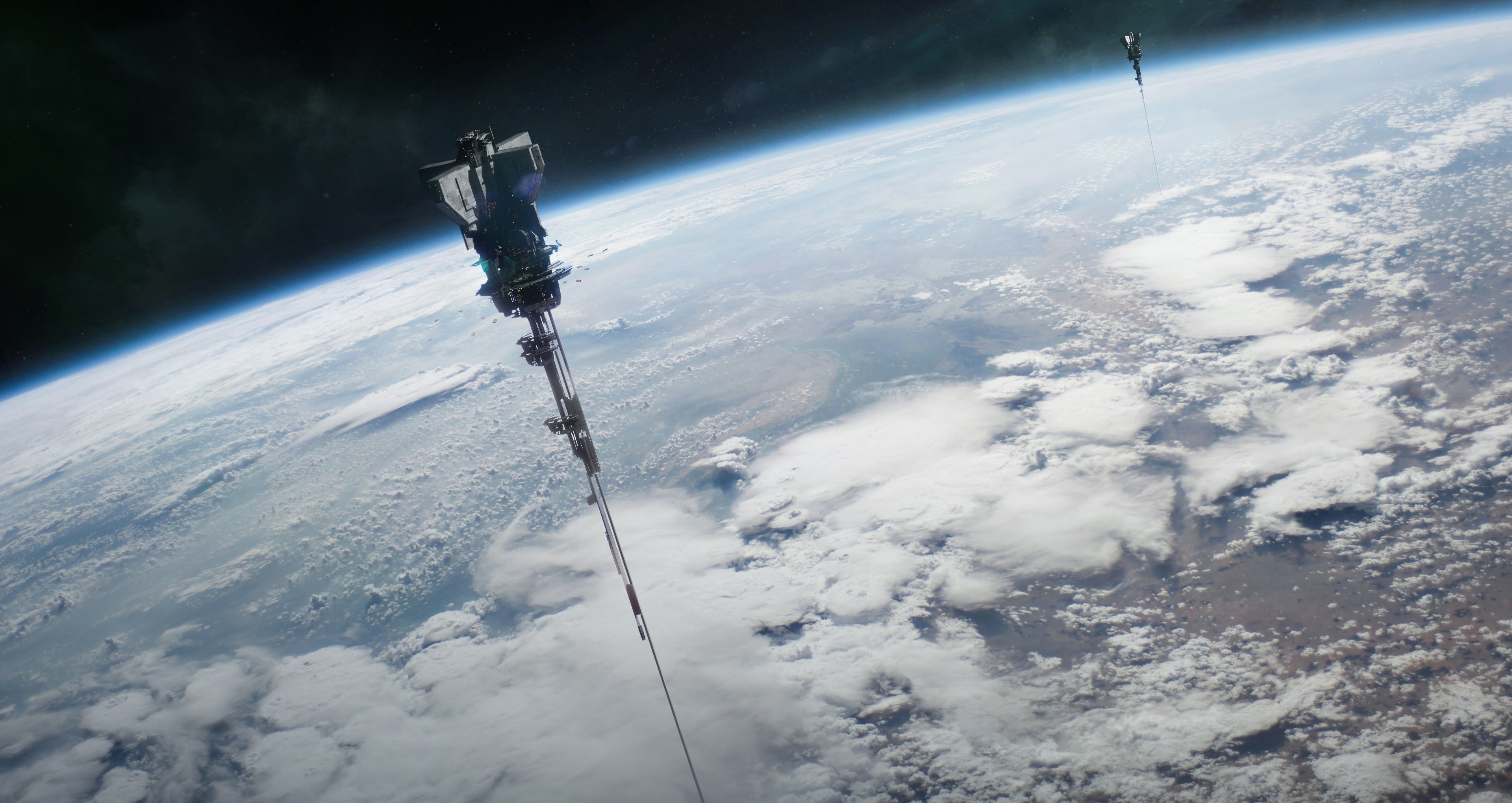
Elevador Espacial Elevator


Esta vasta empreitada requer a participação e apoio de todos os Exploradores. Não importa em qual sistema estelar residam, todos os Exploradores podem participar deste projeto.


No processo de terraformação do Planeta Jardim, várias dificuldades podem surgir. O Departamento de Transformação do Planeta Jardim solicitará ajuda dos Exploradores na forma de missões. Os Exploradores também podem doar diretamente recursos muito necessários para a terraformação planetária. Seja completando missões ou doando recursos, o Departamento de Terraformação do Planeta Jardim concederá Pontos de Contribuição para a Terraformação do Planeta Jardim aos Exploradores que prestarem assistência e comemorarão seus esforços e contribuições. Dependendo da escala das contribuições de um Explorador, o Departamento de Terraformação do Planeta Jardim também concederá recompensas adicionais como Colecionáveis, Emblemas Dinâmicos e mais.
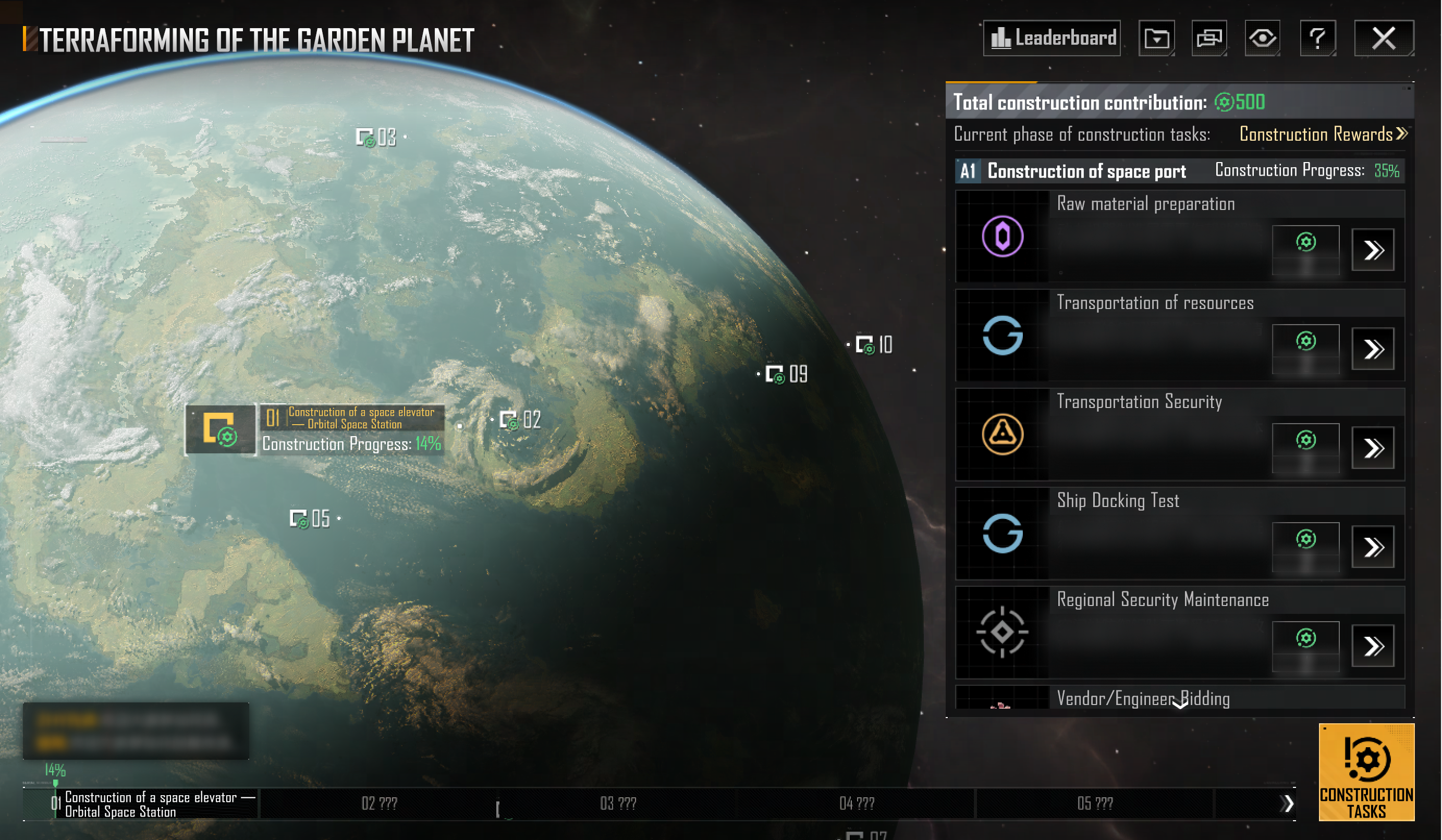
Página de Transformação do Planeta Jardim Page


Após um tempo, a Cidade de Antontias abrirá uma loja completamente nova como uma forma de retribuir aos Exploradores que contribuíram para a terraformação do Planeta Jardim. Os Exploradores poderão trocar por diversos itens nesta loja. Os itens disponíveis incluirão Planos de Fundo de Correio exclusivos, Animojis da Frota, Bolhas de Chat e mais. Além disso, os itens exclusivos oferecidos na loja serão atualizados à medida que cada nova fase for concluída.


O Projeto de Transformação do Planeta Jardim é uma longa e árdua tarefa para terraformar o planeta. Talvez muitos ainda tenham dúvidas sobre esta operação. Talvez não possamos prever exatamente quantos anos levará para estabelecer um ecossistema totalmente autossustentável no Planeta Jardim, uma vez que essas instalações iniciais estejam completas e em funcionamento. Mas algum dia, viveremos em uma bela nova pátria com céu azul, nuvens brancas, oceanos, montanhas e florestas.

pic
pic
pic
pic
pic
pic
pic
pic
pic
pic
pic
pic
pic
pic
pic
pic

pic
pic
pic
Background Information (Stellar Storm)

Later in the Galactic War, the star HD232b at the center of the Fire Seeker System had an abnormal emission of high radiation, affecting almost the entire star system. Above 70% of the cities, space stations, buildings, and fleets system-wide received severe damage, so did the protection facilities of the L893 Gate, making the stargate unable to run. The stellar emission phenomenon continues till now, and the entire star system has already been classified as a "Danger Zone." Some factions even closed the relevant nodes connecting to the Fire Seeker System in the Lagrange Network.

Background Information (Stellar Storm)

In the following decades, this phenomenon occurred and caused widespread devastation in multiple star systems. According to the Report on the Reasons for High Radiation Emission in Some Star Systems and their Network Loss Situation, there are abnormal changes in space warping at the Lagrange points. It may affect the gravity at the core of stars, lead to the high-energy emission from the interior of them irregularly, and thus cause severe damage to the entire star system. This phenomenon is academically called "Space Warping Vibration," also commonly known as "Warping Reverberation."

Gameplay Rules (Stellar Storm)

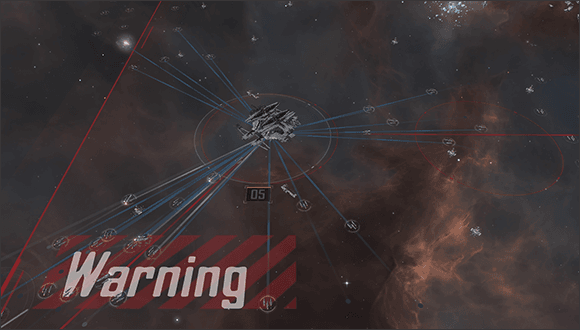
From the intel we have, there is a set pattern for the abnormal stellar activity. It can be divided into the Rising stage, Peak stage, and Declining stage. The scope of the radiation zone in a star system will change with the intensity of the stellar activity. During their abnormal activity, stars emit lots of high radiation at intervals hindering the operation of cities, space stations, and fleets. Some of the planets can block stellar jets so that the areas behind them are not susceptible to the high-energy emission from stars. You can take these areas as your security zones.

Background Information (Data Rescue)

The Antonios Consortium was also affected by the disaster. Some of the star systems run by them have already begun to have "Space Warping Vibration." Radiation of high levels is emitted at irregular intervals, affecting the star system environment. The consortium's management decided to transfer the valuable assets out of these star systems, including large amounts of experiment data, as soon as possible. Therefore, the Data Rescue Agreement has been issued to recruit experienced explorers to rescue experiment data from these star systems fulls of dangers.

Gameplay Rules (Data Rescue)

As the buildings in different star systems will become ruins after being continuously damaged by high radiation jets, it is necessary to rescue and migrate the important data stored in the Experimental Center and the Observation Station as soon as possible. Once the space station turns to ruins, it will no longer be able to house and support the crew as it used to. However, there will still be lot of resources, repairable shipwrecks and important experimental data to be recovered by explorers. These undiscovered data in the ruins are the focus of all forces in the star systems in their hunt.

Background Information (Data Rescue)

The "Project Garden" planetary ecological transformation experimental program led by the Antonios Consortium has been carried out in five phases on hundreds of star systems, but some star systems are difficult to survive due to abnormal Stellar Activities that lead to the deterioration of the galactic environment. Most areas of those star systems have been abandoned, and many important data were buried in the ruins. \nThe goal of this agreement is to rescue planetary experiments and observation data from deserted star systems that were affected by the "warping reverberation".

Wishful Light Story

As more and more star systems began to build Lagrange Gates in the same way (launch a large number of beacons for testing the safety and pressure of passing the nodes), such a scene appeared in star systems one after another. In the heat of developing Lagrange Nodes, the "Beacon Festival" began to spread to every corner of the galaxy.
"Twinkle twinkle little star, how I wonder what you are?"
—A popular lullaby in Terran Sphere

Wishful Light Story

During the beacon test phase of the "Otherworld Project", beacons were continuously launched into space. These beacons traveled through the under-studied Lagrange Nodes to explore and record star systems on the other side, collecting a lot of valuable data and information for exit positioning experiments. After decades of full preparation, at the beginning of the Phase II implementation, 2,347,260 huge beacons with long life were continuously launched into the channel to test the stability and pressure capacity of the channel. Seen from the ground, these huge beacons formed streaks of light in the sky that kept shining for a whole year. So the people on earth gave them a poetic name: Wishful Lights.